Cloud-Based MDM: Benefits vs. On-Premise
Cloud-based MDM has become the default choice for most organizations — no server hardware, automatic updates, and pricing that scales with the fleet. Here's the full comparison against on-premise.
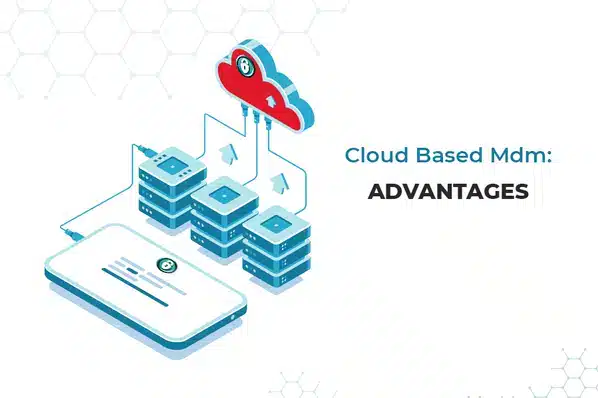
Most MDM buyers today default to cloud-based deployment, and for good reason: no server hardware to provision, no patching schedule to maintain, and pricing that scales directly with the fleet instead of requiring upfront infrastructure investment. On-premise MDM still exists and still makes sense in specific cases — but understanding the tradeoff is worth doing deliberately rather than defaulting to whatever a vendor pitches first.
Cloud vs. On-Premise MDM
| Cloud-based | On-premise | |
|---|---|---|
| Server hardware | – | |
| Setup time | Hours to days | Weeks, including procurement |
| Maintenance & patching | Handled by the vendor | Your IT team's responsibility |
| Pricing model | Subscription, scales with fleet | Upfront capital + ongoing maintenance |
| Access | Any location with internet | Typically network-restricted |
| Best for | Most organizations | Strict data-residency requirements |
Why Most Organizations Choose Cloud MDM
Lower upfront cost
No server hardware or infrastructure spend — cost is an operating expense that scales with the fleet, not a capital outlay sized for future growth.
Faster setup
Deployment time is mostly just configuring policy and enrolling devices — server, firewall, and networking configuration are the vendor's responsibility.
Maintained for you
Patching, updates, and uptime are the vendor's job, not an ongoing task added to your IT team's workload.
Access from anywhere
Administrators manage devices from any location with internet access, without VPN-ing into a specific network.
Built-in disaster recovery
Data is backed up and replicated by the vendor's infrastructure, rather than depending on your own backup discipline.
Elastic scaling
Add or remove devices and pay for what you use — no need to size hardware for a fleet you might have next year.
When On-Premise Still Makes Sense
On-premise MDM isn't obsolete — it's a narrower fit today. It's worth considering specifically when a regulatory or contractual requirement mandates that management infrastructure and data stay within a self-hosted environment your organization directly controls, which shows up most often in government, defense, and some highly regulated industries. Outside those specific requirements, the maintenance and infrastructure burden of on-premise rarely outweighs what cloud MDM offers.
For the fundamentals of what MDM does regardless of deployment model, see what is mobile device management. For the broader evaluation criteria once you've settled the deployment-model question, see the best MDM software for securing and managing mobile devices, and for when to revisit this decision as your organization changes, see updating your mobile device management strategy.
LimaxLock: Cloud-Based by Design
LimaxLock runs as a cloud-hosted platform — no server hardware, automatic updates, and per-device pricing that scales with your fleet — while still enforcing every policy at the Android OS level, so devices stay compliant even when they're briefly offline.
Frequently Asked Questions
Not inherently — reputable cloud MDM vendors run enterprise-grade security and undergo regular audits, often exceeding what an individual IT team maintains in-house. The real question isn't cloud-vs-on-premise security in the abstract, it's whether a specific vendor's security practices and certifications meet your requirements.