Best MDM Software: How to Evaluate and Choose One
There's no single "best" MDM software — there's the one that fits your fleet, OS, and ownership model. Here's the exact criteria to evaluate before you commit to one.
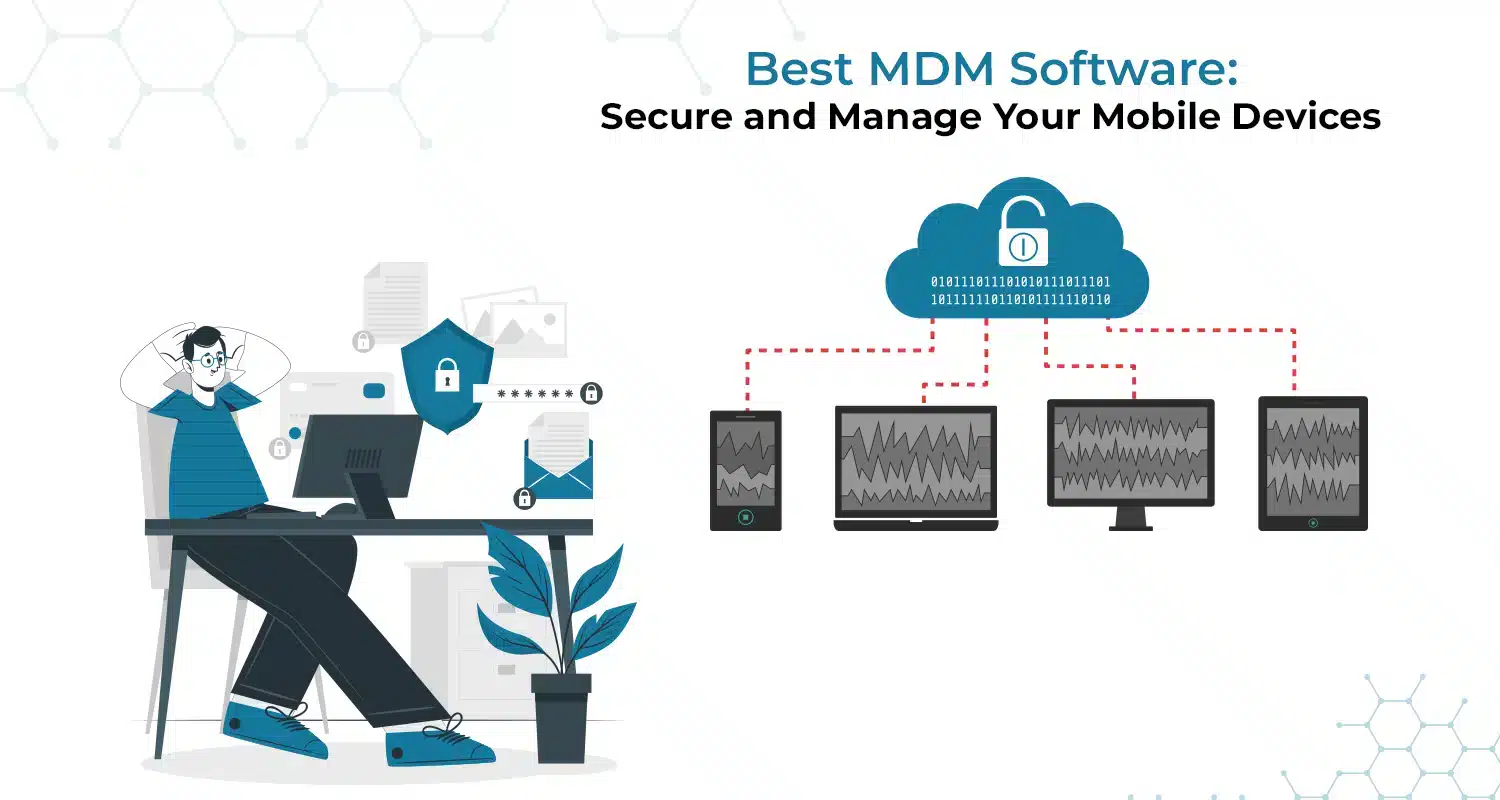
There's no universal "best" MDM software — there's the one that actually matches your fleet's OS, ownership model, and compliance needs. A platform built for cross-OS enterprises managing thousands of laptops and phones is the wrong (and overpriced) choice for a 50-device Android-only fleet, and vice versa. The criteria below are what actually separates a good fit from a bad one, regardless of brand.
Evaluation Criteria That Actually Matter
- Native OS-level management (Android Enterprise, Apple DEP) rather than accessibility-permission workarounds.
- Kiosk mode — single- and multi-app — if any devices are shared, public-facing, or frontline.
- BYOD support through an isolated work profile, if personal devices are or will be part of the fleet.
- Remote lock, wipe, and location tracking included as standard, not a paid add-on.
- Compliance and audit reporting that maps to what your industry actually requires.
- Transparent, predictable pricing that scales with device count without hidden fees.
- Responsive support — check reviews specifically for support responsiveness, not just feature lists.
What to Compare Across Vendors
| What to check | |
|---|---|
| OS support | Native Android Enterprise / Apple DEP integration, not workarounds |
| Kiosk capability | Single- and multi-app mode included, not a paid tier |
| BYOD model | True work-profile containerization, verified in a trial, not just claimed |
| Pricing structure | Per-device, per-month, with a clear feature-to-tier mapping |
| Deployment model | Cloud-hosted vs. on-premise — see our cloud MDM guide for that tradeoff |
| Support & SLA | Response time commitments, not just "support included" |
Match the Platform to Your Fleet, Not the Other Way Around
The most common mistake in an MDM search is starting from a feature list instead of your actual requirements. A pure-Android fleet doesn't need cross-OS UEM. A fleet with no shared or public-facing devices doesn't need kiosk mode to be a deciding factor. Write down what your fleet actually needs — OS, ownership mix, compliance obligations, kiosk requirements — before comparing vendors, and use that list to filter out the platforms that don't fit, rather than comparing every feature every vendor offers.
For the deployment-model side of this decision specifically, see the benefits of cloud-based MDM. For a broader framework on revisiting your requirements periodically rather than just at initial purchase, see updating your mobile device management strategy. For the fundamentals of what MDM does before you start comparing vendors at all, start with what is mobile device management. And once "pricing structure" from the table above is the deciding factor, our MDM pricing guide breaks the number down into what actually drives it.
Where LimaxLock Fits
LimaxLock is built specifically for Android fleets: native Android Enterprise integration, kiosk mode (single- and multi-app) included as standard, a BYOD work profile, and remote lock/wipe/location tracking with transparent per-device pricing. If your requirement is a cross-OS UEM platform managing laptops alongside phones, that's a different category to shop in — but for an Android-focused fleet, this is exactly the criteria list above applied to one platform.
Frequently Asked Questions
No — the right platform is the one that covers your actual requirements (OS, kiosk needs, compliance reporting) without paying for enterprise-tier capabilities you won't use, like cross-OS UEM if your fleet is entirely Android. Match the platform's scope to your fleet, not the other way around.